
How American barns were built, and how they last
Barnbuster is a plain field guide to the barns of the United States: the main types, how their timber frames went together, what changed them, and how owners keep an old one standing. It is built from National Park Service guidance, state historic preservation surveys and university extension advice, and it says where those sources stop.
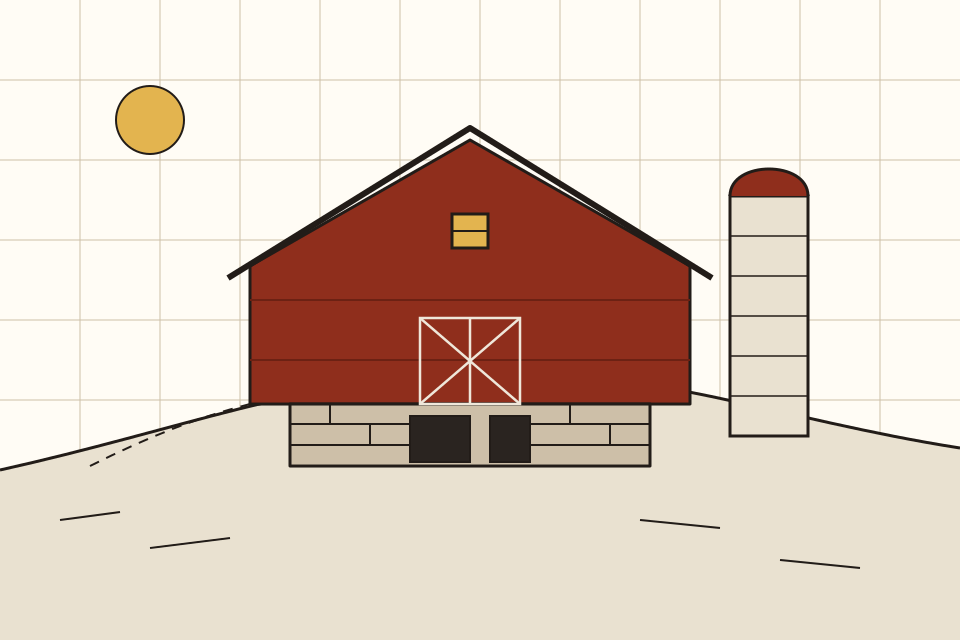
- Read the formThe roof, the doors and whether the barn is set into a bank say a lot about who built it and why.
- Find the frameInside, the posts, beams and braces show how the barn was cut, joined and raised.
- Know the useThreshing, hay, dairy cows and tobacco curing each left their own marks on the building.
- Keep water outPreservation guidance starts with the roof, the drainage and repair before replacement.
Seven guides, from first barns to repair
Each guide stands on its own. Read in order, they move from the history and the main barn types to the specialised tobacco and dairy barns, then to how barns were framed and how they are cared for now. Every guide lists the public documents it draws on.
-
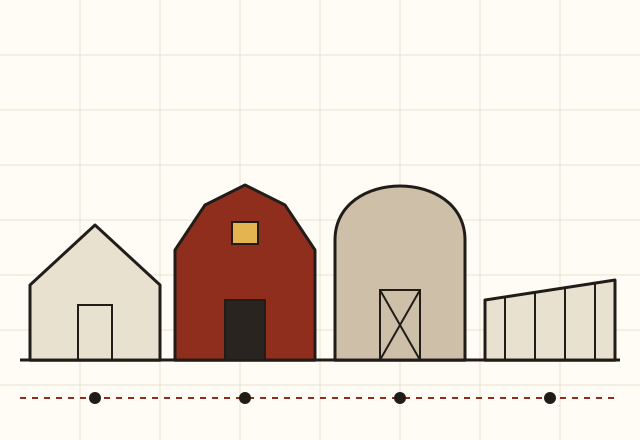
A short history of American barns
From settlers' traditions to mail-order kits and pole barns.
-
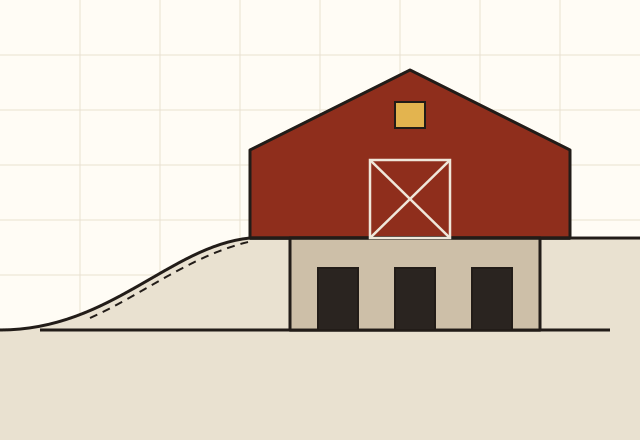
English, Dutch and bank barns
Three-bay threshing barns, H-shaped Dutch frames and the forebay.
-
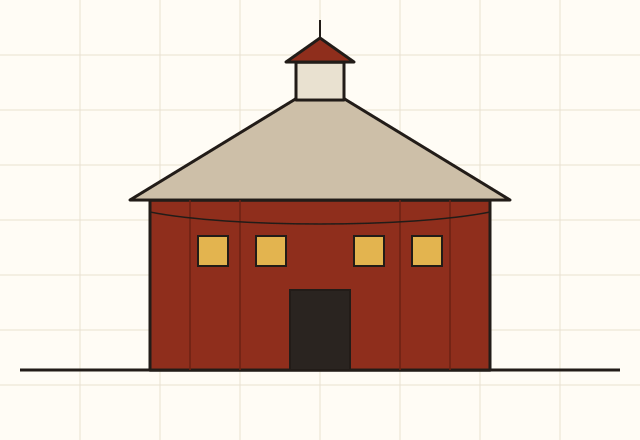
Round and many-sided barns
The efficiency promise, the central silo and why it faded.
-
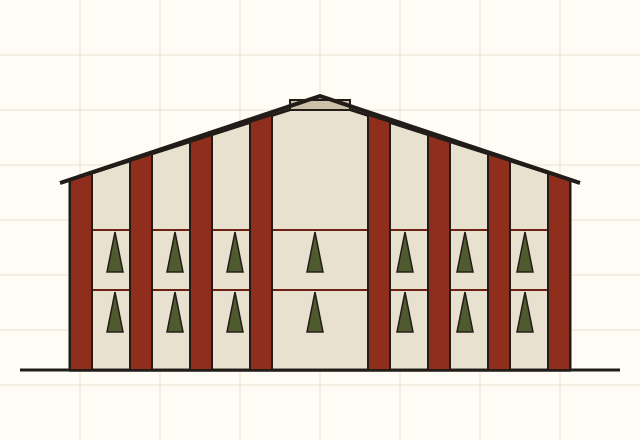
Tobacco barns: built for curing
Air curing, flue curing and the barns each one needed.
-
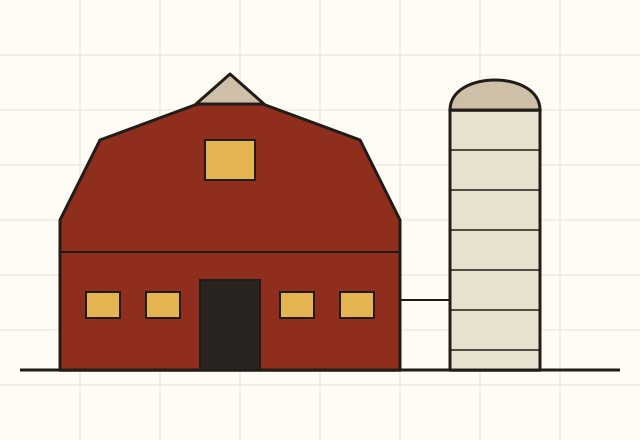
Dairy barns and the silo
Gambrel roofs, stanchions, windows, milk houses and silos.
-
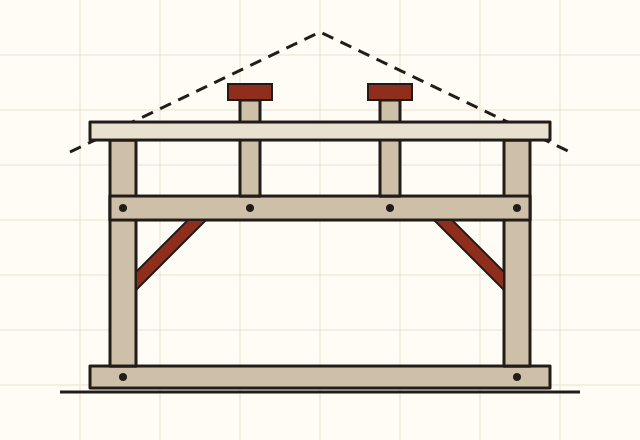
How barns were framed and built
Bents, joints, raising day and the materials barns were made of.
-
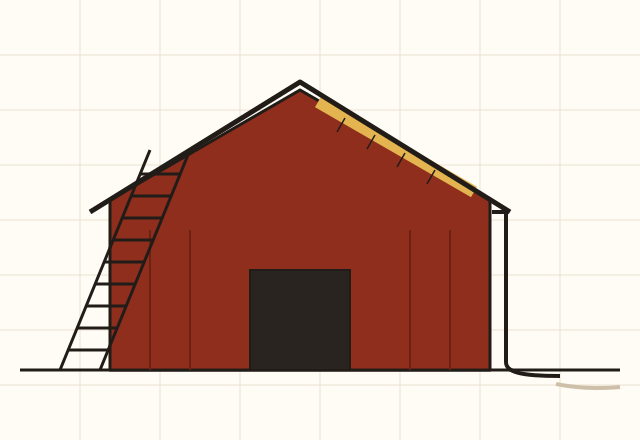
Caring for an old barn
Water, repair before replacement, new uses and the National Register.
Sorting what is repeated from what is recorded
Barns attract stories. This site keeps to what preservation offices and the National Park Service have documented, and says so when a popular explanation does not hold up.
The star and flower medallions on Pennsylvania barns were painted to ward off witches.
The Pennsylvania State Historic Preservation Office notes that the name "hex sign" comes from a 1920s tourism publication, and that current scholars treat the signs as decorative folk art rather than charms.
Round barns were the efficient barn of the future.
The National Park Service's barn preservation brief says the efficiency claims were overstated. Round barns never became the standard barn, though many survive as local landmarks.
Every old barn should be painted.
The same brief says colour is a common decorative feature, but unpainted brick or stone barns should never be painted, and the Pennsylvania field guide describes the Appalachian meadow barn as a small, unpainted wood barn.
Public sources, named on every page
The guides draw on the National Park Service's preservation brief on historic barns, its National Register and heritage documentation programs, field guides and surveys by the Pennsylvania, North Carolina, Maryland and Minnesota preservation offices, the USDA Forest Service Wood Handbook, and Penn State Extension. Each page names its documents, and an automated check recorded that the key facts appear in them.
What this site is not
- Not a business: no services, products, prices or contact form.
- Not professional advice: for a structural problem or a listing question, the guides point to a structural engineer or the state historic preservation office.
- Not finished: the text was drafted with an AI system and has not had an independent human review yet.