
Seven guides to American barns
Read them in order the first time: history and the main types first, then the specialised barns, then how barns were framed and how they are cared for now. Each guide names the public documents it is based on.
-
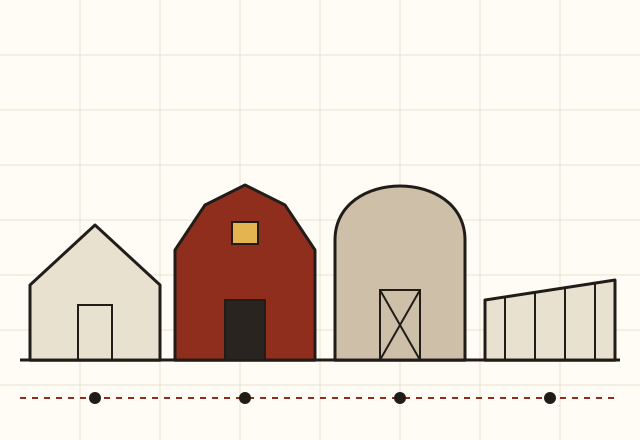
A short history of American barns
How American barns changed from the colonial period to the pole barn: settlers' traditions, threshing and hay, the dairy era, mail-order kits and why so many now stand empty.
-
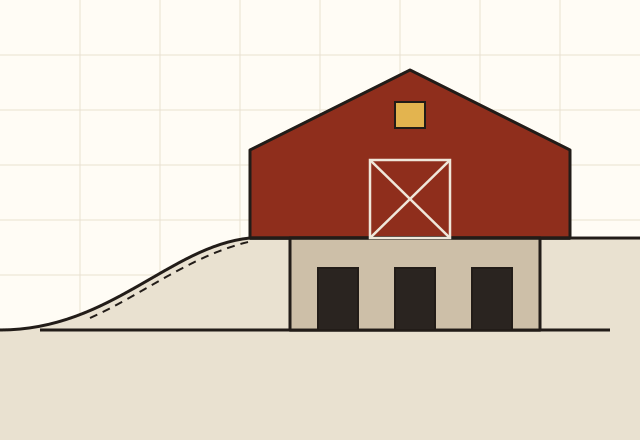
English, Dutch and bank barns
The three barn forms early settlers brought with them, how to tell them apart from the road, and the related basement, ground and crib barns.
-
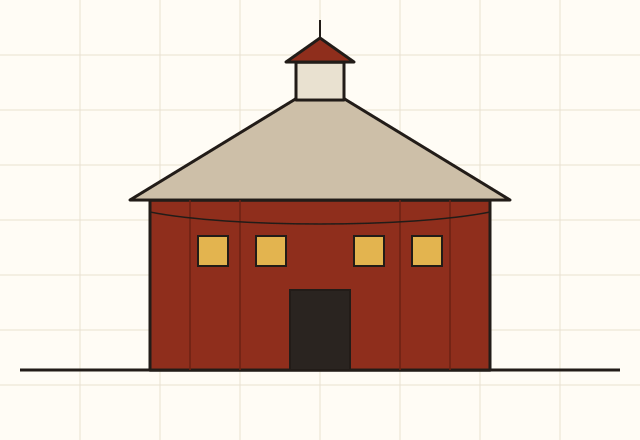
Round and many-sided barns
Why round, octagonal and many-sided barns were promoted in the late nineteenth and early twentieth centuries, how they were laid out inside, and why they never took over.
-
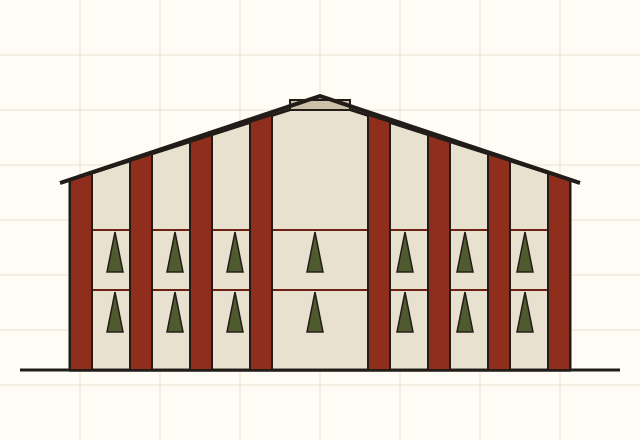
Tobacco barns: built for curing
How the way a tobacco crop was cured shaped its barn, from air-cured barns with hinged vents in Maryland, Kentucky and Pennsylvania to the small, tight flue-cured barns of North Carolina.
-
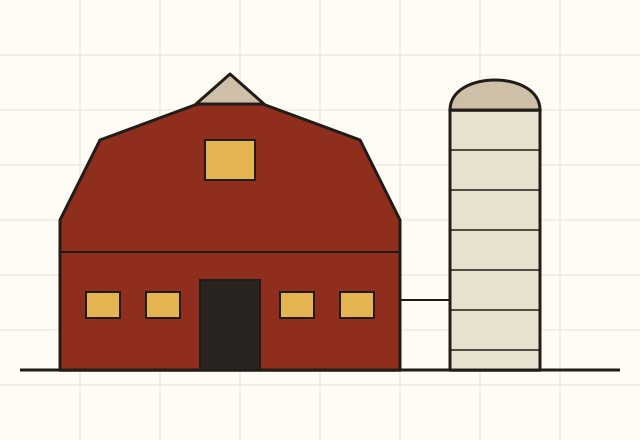
Dairy barns and the silo
How dairying changed the American barn: basement and gable-entry barns, the gambrel roof and big hay mows, ventilation and window rules, the milk house and the silo.
-
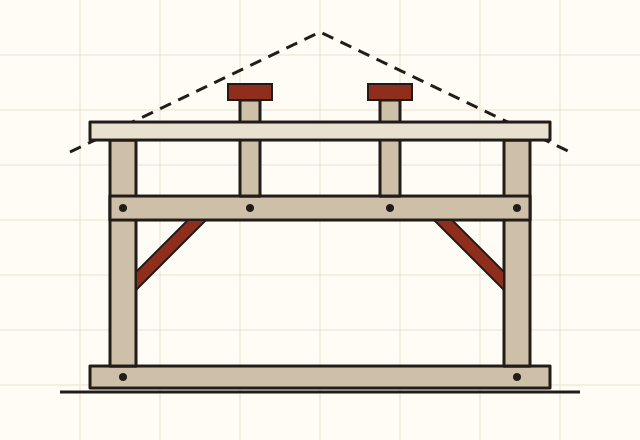
How barns were framed and built
Bents, posts, plates and purlins; pegged mortise and tenon joints; scribe rule and square rule; raising day; and the logs, stone, brick and later plank and pole framing barns were built from.
-
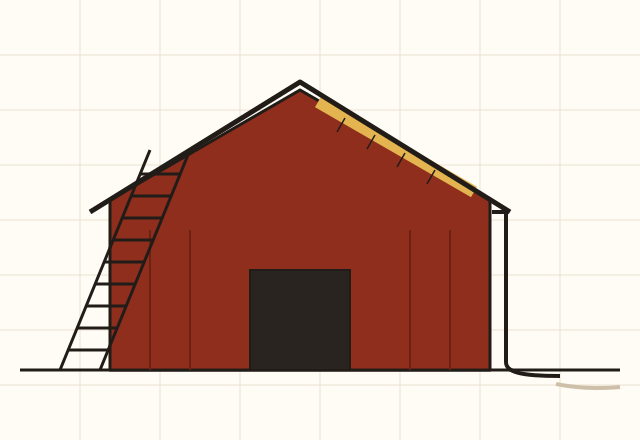
Caring for an old barn
What the National Park Service advises for historic barns: understand the building first, keep water out, repair before replacing, choose new uses with care, and seek recognition.